New Electronic Music Instrument, The Daïs
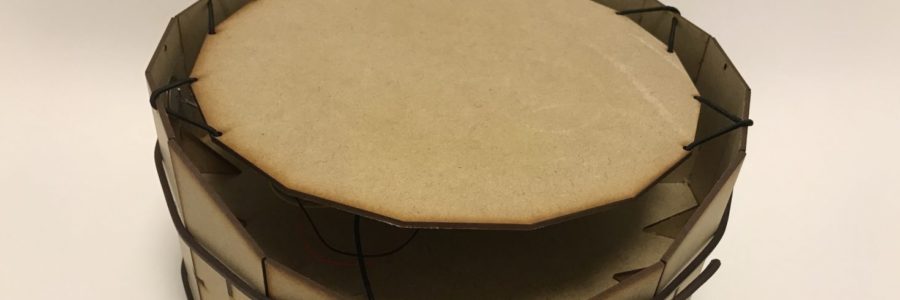
The Daïs is a new open source electronic instrument that integrates physical modeling and haptic feedback.… Read More New Electronic Music Instrument, The Daïs
The Daïs is a new open source electronic instrument that integrates physical modeling and haptic feedback.… Read More New Electronic Music Instrument, The Daïs
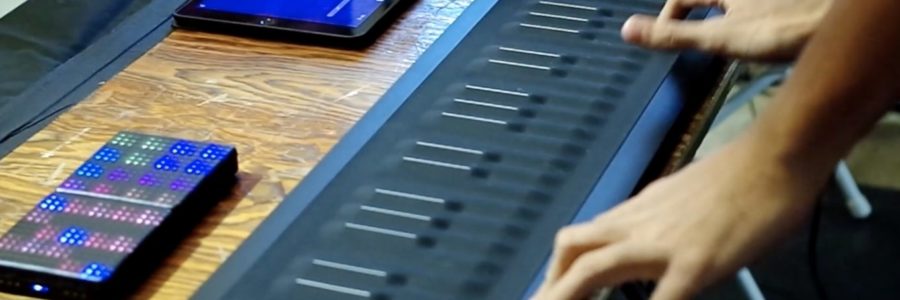
At the 2019 Brooklyn Synth Expo, ROLI product expert Ruben Dax gave a presentation on MPE (MIDI Polyphonic Expression) – a new standard for expressive musical performance.… Read More Expressive Performance With MPE Using ROLI Instruments
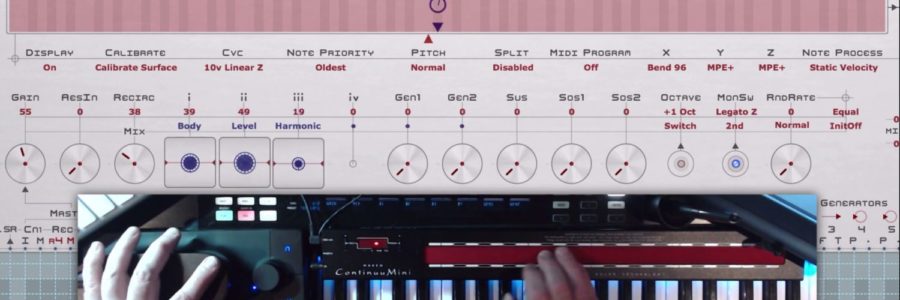
Composer & synthesizer designer Ed Eagan shared this in-depth look at using the Expressive E Touché with the new ContinuuMini and EaganMatrix.… Read More How To Use The Expressive E Touché With The ContinuuMini & EaganMatrix
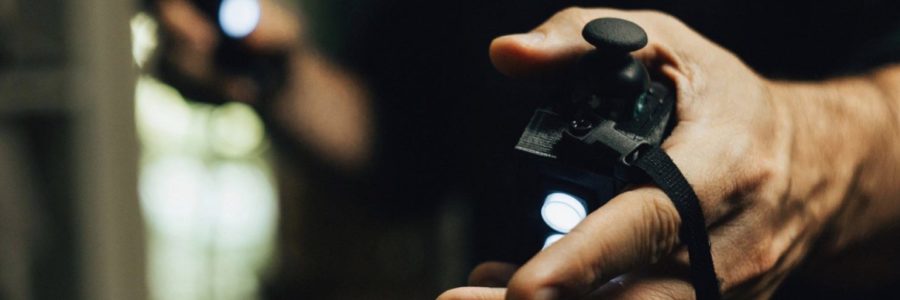
The Glide is a new instrument, designed to translate gestures into sound. … Read More New Gestural Instrument, ‘The Glide’ (Sneak Preview)
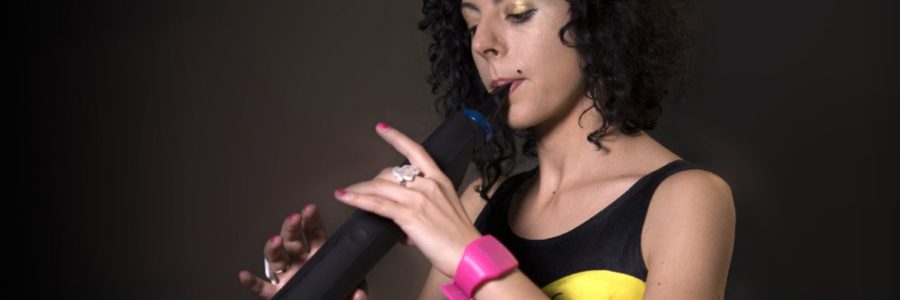
Aodyo Instruments has announced updates to its Sylphyo electronic instrument, along with a new wireless receiver, the Link. … Read More Sylphyo Electronic Wind Instrument Now Works Standalone Or As A MIDI Controller
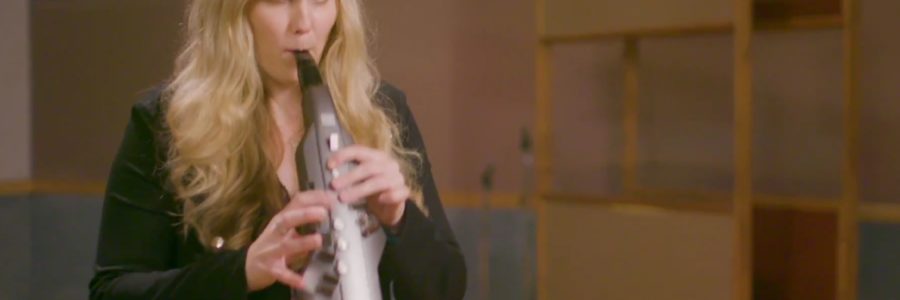
Roland today introduced the Aerophone Go, a new digital wind instrument that’s designed to be portable and to be used both standalone or as a controller via USB-MIDI or MIDI over Bluetooth LE.… Read More Roland Intros Aerophone Go Digital Wind Instrument

Heres a quick look at building the Microphonic Soundbox, a unique instrument for sound design and ambient performance. … Read More LeafAudio Microphonic Soundbox DIY Build
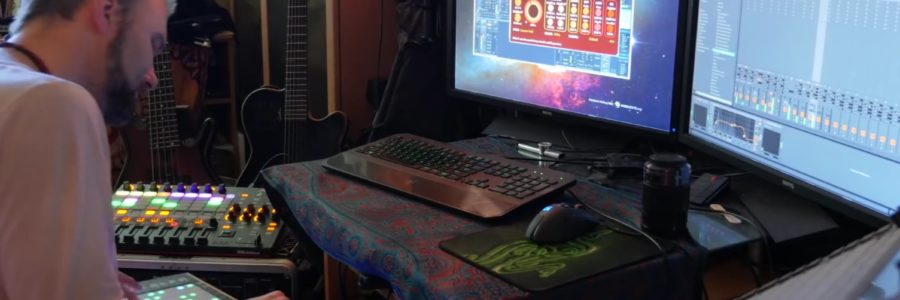
LinnStrumentalists are using the new controller in a wide variety and contexts, and they are pioneering new electronic music performance techniques along the way. … Read More ‘LinnStrumentalists’ Pioneering New Electronic Music Performance Techniques
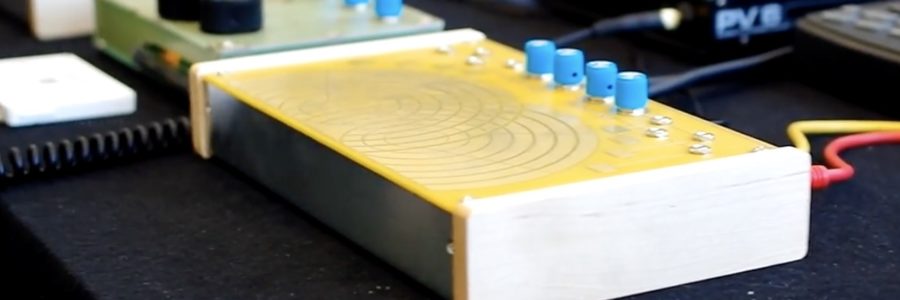
At Superbooth 2018, Landscape gave us a hands-on demo of their latest touch interactive devices for music, including AllFlesh, Stereo Field & the Human Controlled Tape Transport.… Read More Landscape Touch Interactive Devices For Music

As part of its 909 Day celebration, Roland is introducing 30+ new instruments – with more than half a dozen that will be of interest to electronic musicians.… Read More Roland Intros TB-03 Bassline Synthesizer, TR-09 Drum Machine, VP-03 Vocoder & More
