Isao Tomita
Articles about Isao Tomita:
Send to a Friend
|
Feed for this Entry |
Filed under: Electronic Musicians, Keyboard Synthesizers, Synthesizers
This is Paul Shillito’s Tomita-style version of Stravinsky’s The Rite Of Spring Introduction.
Shillito calls this his classitonic style – influenced by the electronic interpretations of classical music done by Isao Tomita and Wendy Carlos in the late 60’s and 70’s.
He plans a complete version of The Rite Of Spring.
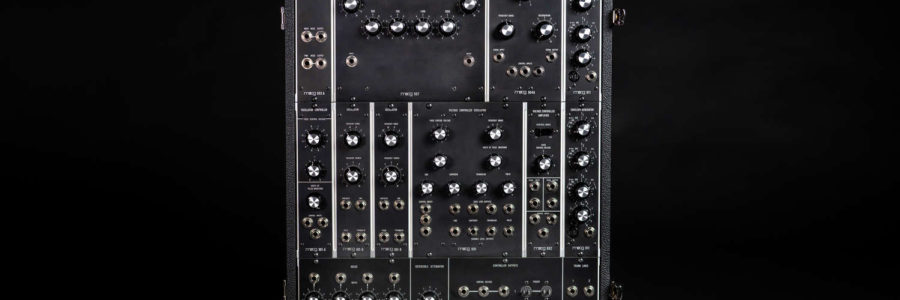
Soft synths used on this included the Arturia Minimoog V2, Arturia Moog Modular, Arturia Jupiter 8V, Arturia Yamaha CS80V and soundtoys effects. Read more…
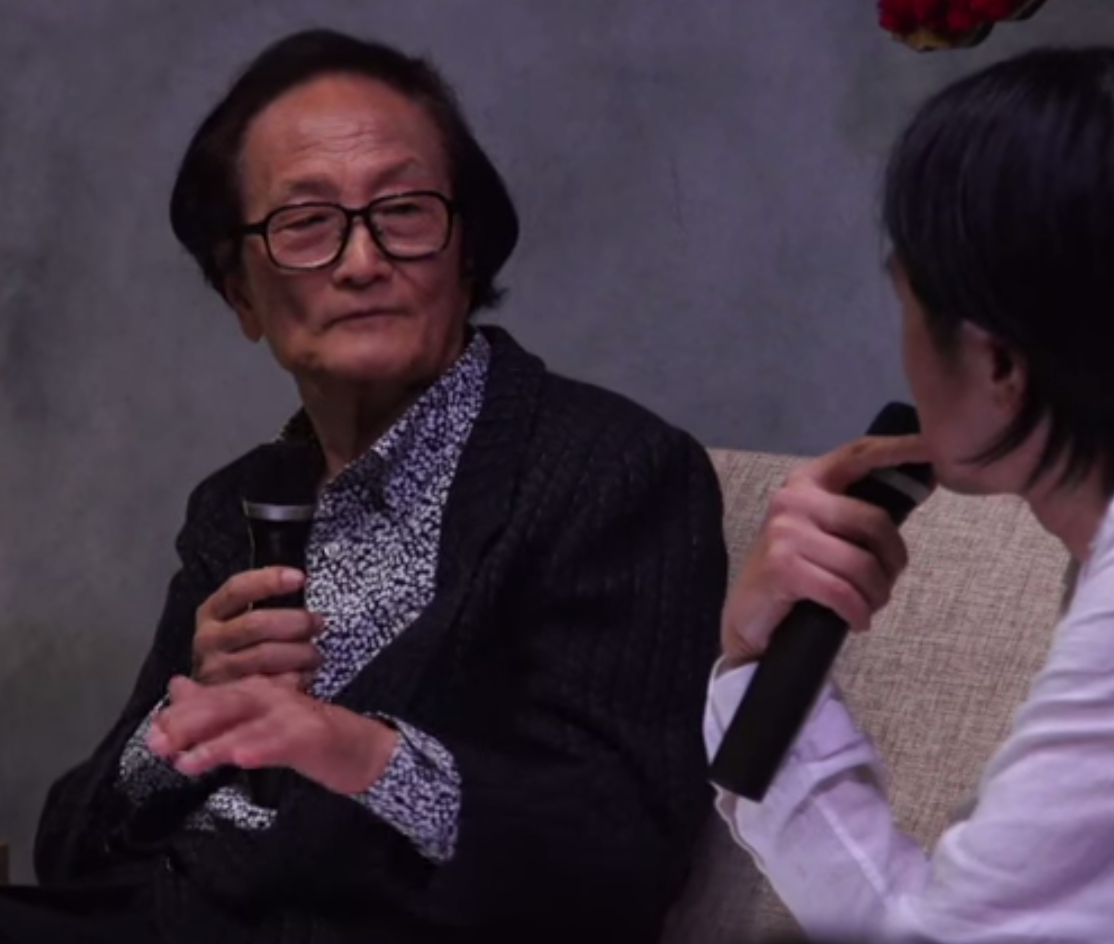
This documentary, from 1980, takes a look at synth music pioneer Isao Tomita and his studio.
In the late 60s and early 70s, many people got their first taste of synth music from the electronic orchestrations of classical music by Tomita and Walter/Wendy Carlos.
If you can translate the commentary, leave a comment below!
via 5488773
NSFW: This is an impressively arranged cover of Grieg’s In the Hall Of The Mountain King, in the style of Isao Tomita.
NSFW on account of full-frontal shots of an animated Angelina Jolie naked.
Details on the realization below.
Read more…
Debussy – Danse in an Isao Tomita Style
via paulshillitomusic:
Electronically created version of Debussy’s Dance or Danse as it is also known as, in a Isao Tomita style.
Another one of the pieces I created about 10 years ago, the video is a bit more abstract, again playing around with After Effects CS3, no meaning to the video just something show.
Synths used making this include Roland JV1080, Korg Prophecy, Waldorf wave, Yamaha AN1x , Waldorf Pulse and sequenced on Cubase.
Let me know what you think of this switched-on piece. Do you think it captures Tomita’s style?
The Bob Moog Foundation has been awarded an “Archiving and Preservation Planning Grant” from the GRAMMY Foundation to assess the preservation needs of the over 300 reel-to-reel tapes in Bob’s archives.
These tapes include seminal works in synthesis from the mid-60s to the late 70s, such as works from Herb Deutsch, Wendy Carlos, Larry Fast, Isao Tomita, Keith Emerson, Roger Powell, Chris Swansen, John Weiss, David Borden, Joel Chadabe, John Eaton and many, many more.
The $8,000.00 grant provides for the assessment of the tape’s condition by a team of experts including an archivist, a preservationist (responsible for digital transfer), a historian and a copyright expert. The assessment team includes archivist Steve Weiss, Sound and Image Librarian for UNC-CH, preservationist Seva David Ball, recording engineer/mastering engineer, Soundcurrent Mastering, historian Douglas Babb, Curator for the Bob Moog Foundation, and intellectual property attorney Steven Schnedler. Michelle Moog-Koussa will be coordinating the project.
Once the assessment is completed, the foundation will have the opportunity to apply for a $20,000-$40,000 preservation grant to set about preserving the tapes in a digital format, so that they can be shared through the Foundation website, traveling exhibits and eventual Bob Moog Museum.
Image: Bob Moog’s analog tape machine