This Is How Synthesizers Worked In The Victorian Age

The Helmholtz synthesizer was designed to explore how additive synthesis can be used to create complex sounds from simple ones.… Read More This Is How Synthesizers Worked In The Victorian Age
The Helmholtz synthesizer was designed to explore how additive synthesis can be used to create complex sounds from simple ones.… Read More This Is How Synthesizers Worked In The Victorian Age
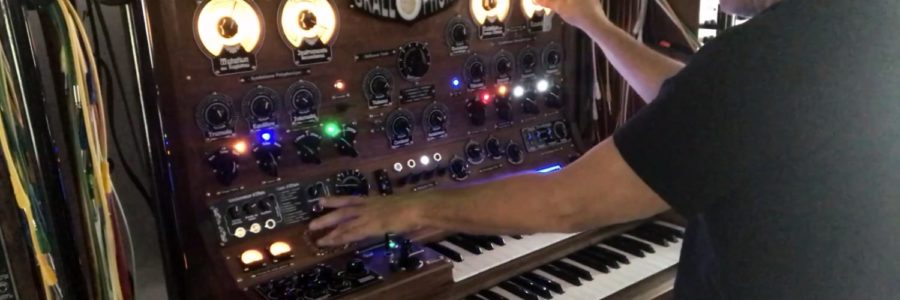
The Grallophone is a one-of-a-kind dual-manual steampunk synthesizer.… Read More The Grallophone Dual-Manual Steampunk Synthesizer

The SynTesla is a unique steampunk synth that looks like a relic from an alternate past.… Read More The Story Of The SynTesla Steampunk Synthesizer
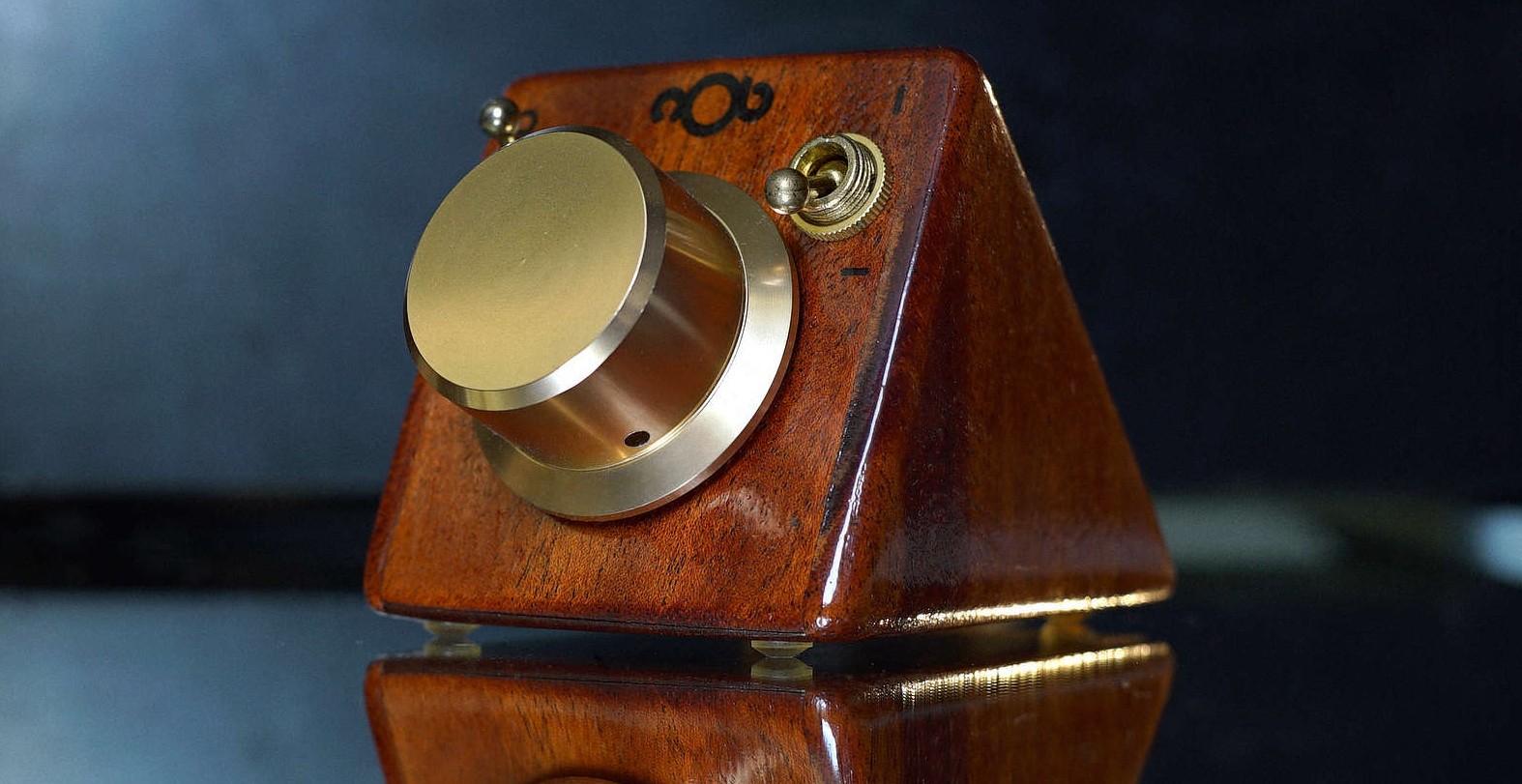
The nOb is a precise generic endless knob controller, being produced via a Kickstarter campaign. The controller was designed for fine control of any type of parameter during media production. Here’s the official intro video:

Hand made TB-303 clone (x0x heart) was uploaded by: Tomash Ghzegovsky
Duration: 166
Rating:  … Read More Steampunk TB-303 Clone Puts x0x Heart In Wood & Brass Enclosure

Gettin’ Lucky with a Bassoon and Theremin was uploaded by: lvl111blacksmith
Duration: 156
Rating: … Read More Steampunk Cover Of Daft Punk’s Get Lucky, On Bassoon & Theremin
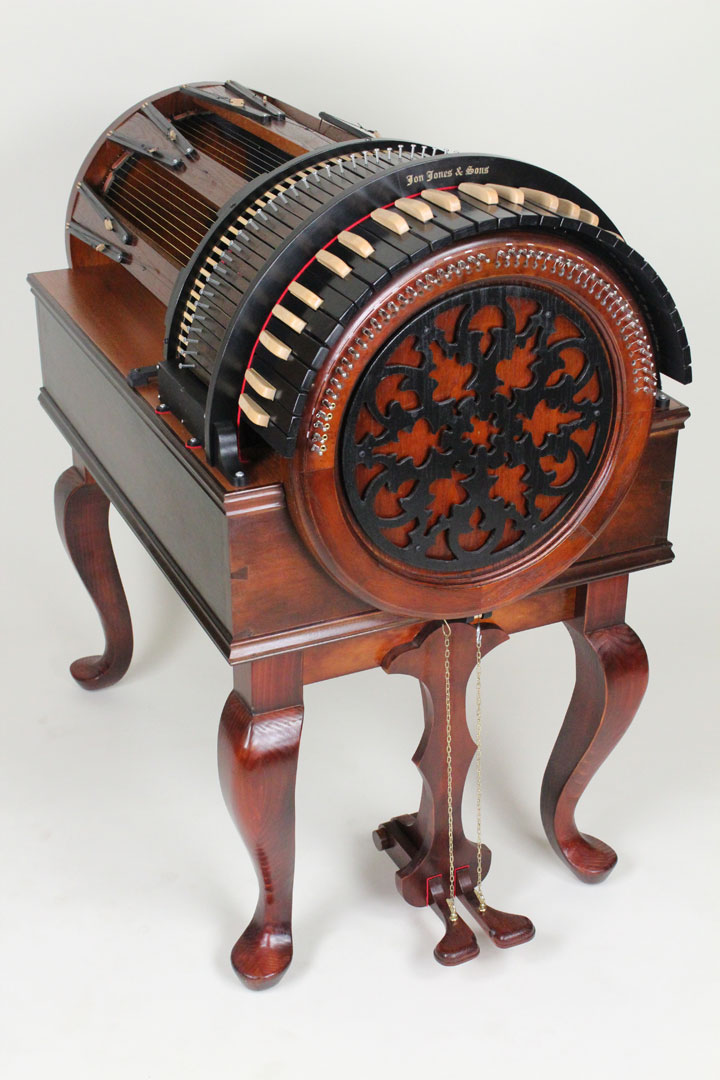
At the 2013 NAMM Show: Antiquity Music is premiering the Wheelharp, a keyboard musical instrument that gives the player the ability to ‘orchestrate’ with a chromatic scale of sixty-one 61 actual bowed strings at one’s own fingertips. In other words – it’s sort of a steampunk version of an orchestral sound library. How The Wheelharp… Read More Antiquity Music Intros Wheelharp String Keyboard
Reader Martin Bircher sent word of a new interactive sound installation, Digital Enhancement. Digital Enhancement consists of an electrified Symphonion Brevet No. 28 music box, a synthesizer, an amplifier and four headphones. The Symphonion musical box dates back to the beginning of the last century and its mechanical workings are combined with digital technology to convert it… Read More Digital Enhancement – The Antique Music Box Sequencer
Hollow Sun has introduced a new bundle of steampunk software synthesizers, Music Laboratory Machines – ‘the sounds of a past future’. Features: 48kHz/24-bit Advanced Retro Synthesis Engines All ten Music Laboratory Machines in one bundle Discount on bundle price Varied range of unusual and unique sound generators Samples from vintage equipment and valve gear Unique… Read More New Steampunk Synthesizer Collection – Music Laboratory Machines
Saturday Synth Porn: These images, via …photon… and the Synthtopia Flickr Group, captures a gorgeous steampunk modular synth. Note the awesome ribbon controller near the front: There’s a full set of synth construction shots on his Flickr page.
