The Farfisa Super Synthaccordion Is A Rare, ‘Crazy Beast’

Here’s an in-depth look at Farfisa’s most advanced Combo Organ/Accordion ever built, the Farfisa Super Synthaccordion.… Read More The Farfisa Super Synthaccordion Is A Rare, ‘Crazy Beast’
Here’s an in-depth look at Farfisa’s most advanced Combo Organ/Accordion ever built, the Farfisa Super Synthaccordion.… Read More The Farfisa Super Synthaccordion Is A Rare, ‘Crazy Beast’

The Muro Box N40 is a MIDI-compatible music box that has a built-in pickup and audio output.… Read More Muro Box N40 Chromatic MIDI Music Box Now Available To Pre-order
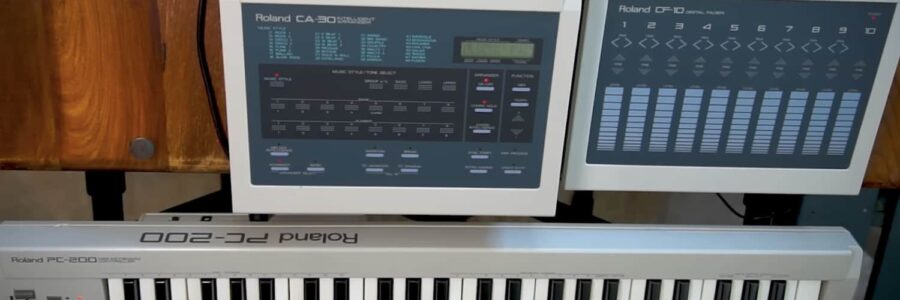
The Roland Computer Music modules are a range of devices from the ’80s, designed for use with any computer that can be fitted with a MIDI port.… Read More Roland’s Forgotten Touchpad Computer Music System From The ’80s

Edinburgh based start-up Playable Technology has introduced BeatBlocks, an iOS app that lets you use LEGO bricks to make beats.… Read More New App, BeatBlocks, Lets You Make Beats With LEGO Bricks

The Drone Box is MIDI-controlled, and generates sound using stepper motors. Objects can be attached, to act as acoustic resonators and modify each voice’s sound.… Read More Koka Nikoladze’s Drone Box No. 1

He’s not debating whether or not they’re toys, he’s too busy discovering their secret horrors.… Read More Hainbach Spent 1700€ On The Teenage Engineering Choir Dolls, Then Discovered Their Secret Horrors

Hand saws can be played as a musical instrument by bowing the edge, creating a haunting vocal sound, similar to the sound of a theremin.… Read More Free Ableton Instruments Feature The Eerie Sound Of The Musical Saw

Ei Wada shared this jam on the vintage electric fan in the local bathhouse on a winter morning.… Read More Dude Shreds On An Electric Fan In The Bathhouse

Teveofy Technology recently introduced the Muro Box, a electro-mechanical music box that can play any melody, because you can customize what it plays using a mobile app or control it via MIDI. … Read More The Muro Box Is A MIDI-Controllable Mechanical Music Box

Soundpaint has introduced Bazantar, a new virtual instrument, based on a one-of-a-kind acoustic instrument that’s part bass, part sitar.… Read More New Virtual Instruments, Bazantar, Is Part Sitar, Part Bass
